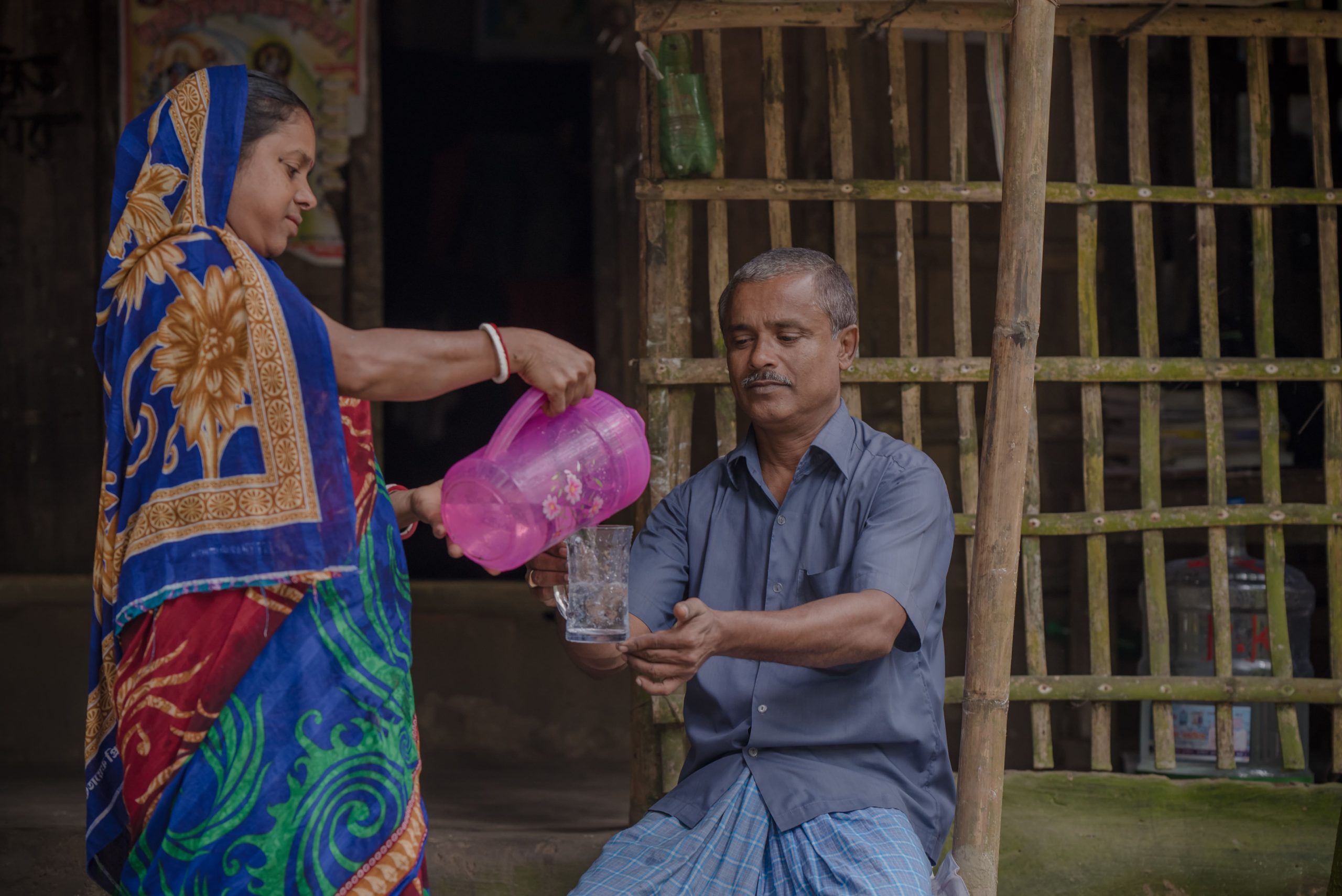
This documentary project was created while working with BRAC in Paikgacha, a small village in the Khulna division of Bangladesh. Rising sea levels and increasing salinity have made access to safe water a serious challenge for the community.
BRAC helped establish a water filtration system that now supports people from Paikgacha and two nearby villages. Around 1,000 people depend on this source for safe water, including women who carry it home for everyday needs such as cooking.
For me, this story was about more than documenting a water filter. It was about showing how one simple piece of infrastructure can become essential to the daily life of an entire community.
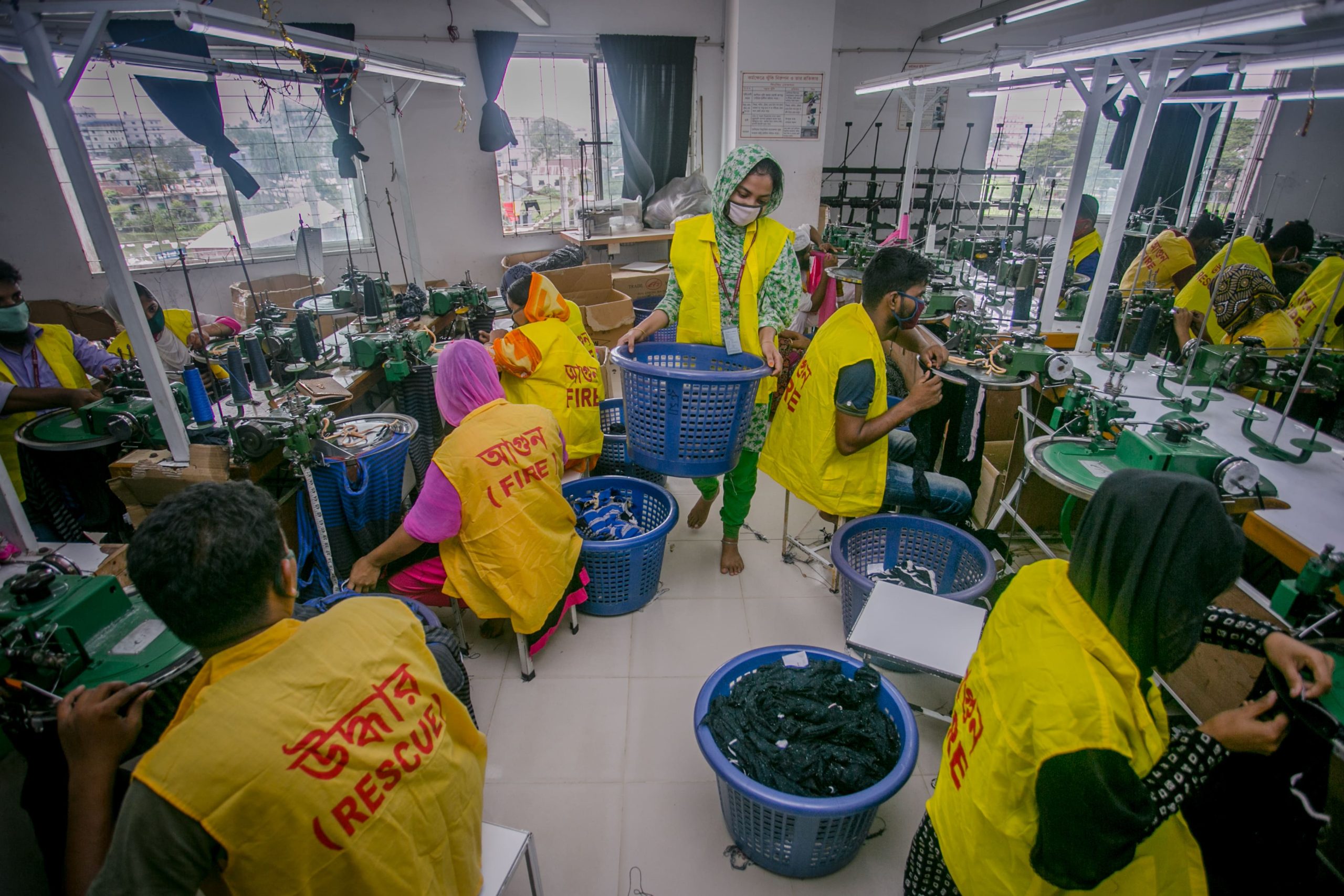
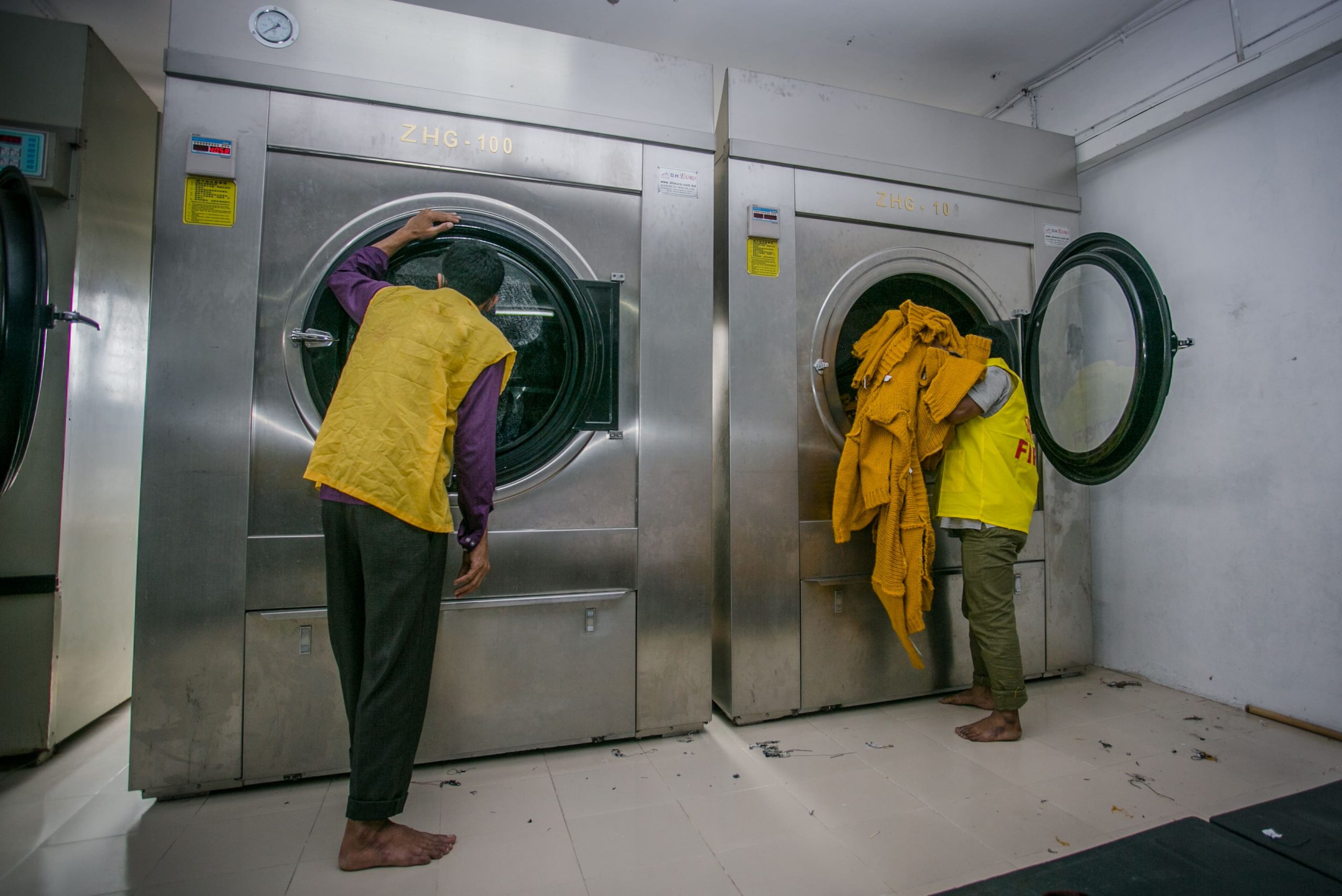
Knit Asia Garments
This documentary series follows a full working day inside Knit Asia Garments, showing different stages of how clothing is produced; from machinery and production lines to washing and finishing.
Bangladesh is one of the world’s largest garment-exporting countries, and the sector plays a central role in the country’s export economy. Being able to document the people and processes at the heart of an industry so important to Bangladesh made this project especially meaningful to me.
Lunch Break
At a railway station in Bangladesh, a short lunch break becomes a rare pause in a busy working day. Sitting together, the porters share food, conversation and a few quiet moments before returning to work.
For me, this series is about finding meaning in ordinary moments, a small space of rest, friendship and stillness between the movement of trains and daily labour.
Nasima Akhter - Stories Stitched by Hand
Nasima Akhter’s story is built around something simple: a needle, cotton thread, and the time she manages to find between everything else.
Living in a village and carrying the daily responsibility of running her household, Nasima spends most of her day cooking, cleaning and taking care of the work that needs to be done. But whenever she finds a quiet moment, she returns to sewing. Sometimes that moment comes after the housework is finished; sometimes she stitches while waiting for food to cook. What began as a practical skill has become an important part of her everyday life.
Nasima still sews by hand, using a traditional technique that has become less common as automated sewing machines spread. Her work is slow and detailed, and the patterns she creates reflect the patience and care behind the process.
Her sewing has also created a small sense of community around her. Women from the village come to learn from her, while friends and relatives often sit together sewing and talking about their lives. The activity becomes more than work—it becomes a space for conversation, connection and shared experience.
For Nasima, sewing is both a source of income and a form of rest. Even after a tiring day, she often spends a little time stitching before bed. In those quiet moments, the fabric becomes more than something functional. It becomes a record of her creativity, routine and identity.